Line up a group of twelve-year-olds and you see it at once: some are already tall and strong, others have barely started to grow. They share a birth year, but not a stage of growth. For a coach planning a session, and for a parent watching from the side, that difference matters more than it first seems.
This article explains, in plain words, what AllDreams looks at around growth and why. It is not medical advice. Thresholds, flags and anything that touches a child’s health are set or approved by our medical advisory board, and clinicians interpret them.
Same age, different stage
Every child goes through a period of fast growth in adolescence, often called a growth spurt. When it starts, how fast it runs and how long it lasts differ widely from one child to the next. Two children born in the same month can be at very different points.
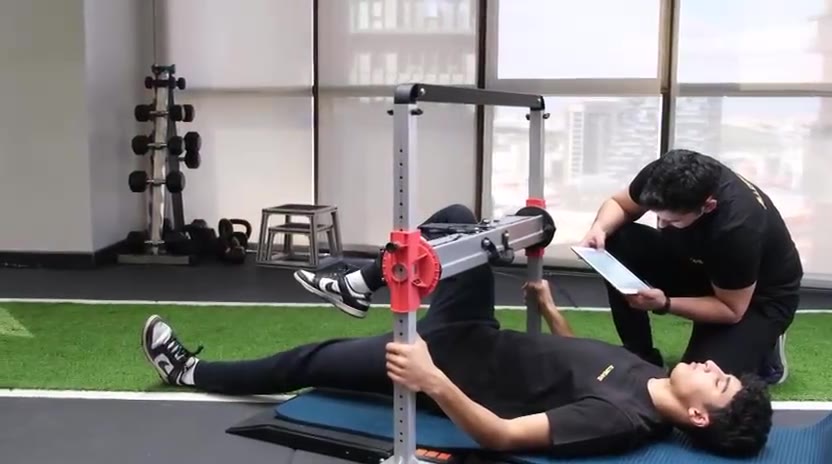
That is why AllDreams measures growth again and again rather than once. On screening days a child’s height and other measurements are recorded, and the screening is repeated through the season; academies screen every three to four months. Over time, the record shows not only how tall a child is, but how fast they are growing right now.
Growing fast and training hard
While a child is growing quickly, the same training can feel different. A session that was easy last term may leave them more tired, and a skill they had mastered may look less smooth for a while. Coaches and parents often notice this before anyone measures it.
When the measurements show that a child is growing fast, AllDreams helps the academy or school plan a safe training load for that period. What the plan contains is decided by the coach and the health staff, following rules the medical advisory board approves. The app does not set a child’s training on its own, and data alone clears no one to play.
The month you were born in
There is a second, quieter difference. Most youth sport groups children by birth year. A child born in the first weeks of the year can be almost twelve months older than a teammate born in its last weeks, and at these ages a year is a lot of growing. The older child may be picked more often simply because they are bigger and stronger today, not because they are more talented. This is known as the relative age effect.
AllDreams shows each athlete’s birth quarter on every roster, group board and growth view, next to their stage of maturation. A coach can then see when age, not talent, explains a difference, and keep the door open for the child who is simply younger or growing later.
Grouping by growth
Some academies also group players by their stage of growth for certain sessions, alongside their age group. This is called bio-banding. AllDreams supports bio-banding groups built from the growth measurements, so an early developer can be challenged and a late developer can compete on fair terms. These groups sit beside the age groups, not in place of them.
What parents can do
- Tell the coach what you see at home. A growth spurt often shows up in shoes that suddenly feel small and a hungrier child before it shows up on the pitch.
- Keep the daily check-in honest. Sleep, soreness and how your child feels each morning help the coach understand a hard week. In the AllDreams app the check-in takes about thirty seconds.
- Don’t compare too early. A child who seems behind today may simply be on a different timetable.
- Ask a clinician about pain. Pain that does not go away is a reason to see a clinician, not to push through. AllDreams can refer your child to DHA-licensed partner clinics, sharing only the data you allow.
What coaches can do
- Compare each child with their own history first, not only with the group.
- Check the birth quarter before deciding who is ahead.
- Plan load with the growth view open, and agree any change with your health staff.
- Keep selection decisions open. Review them as children grow, the same way AllDreams reviews its sport recommendations.
The short version
Growth is not a straight line, and it does not follow the calendar. Measuring it regularly, showing it next to the birth month and leaving its meaning to clinicians helps every child train for the body they have today.
Measurements, genetic and biometric insights describe tendencies. They are not diagnoses, do not replace clinical examination and do not determine athletic outcomes. AllDreams gives wellness and performance information and is not a medical device. Diagnosis and treatment are done by licensed clinicians at DHA-licensed partner clinics.